About Akagera National Park
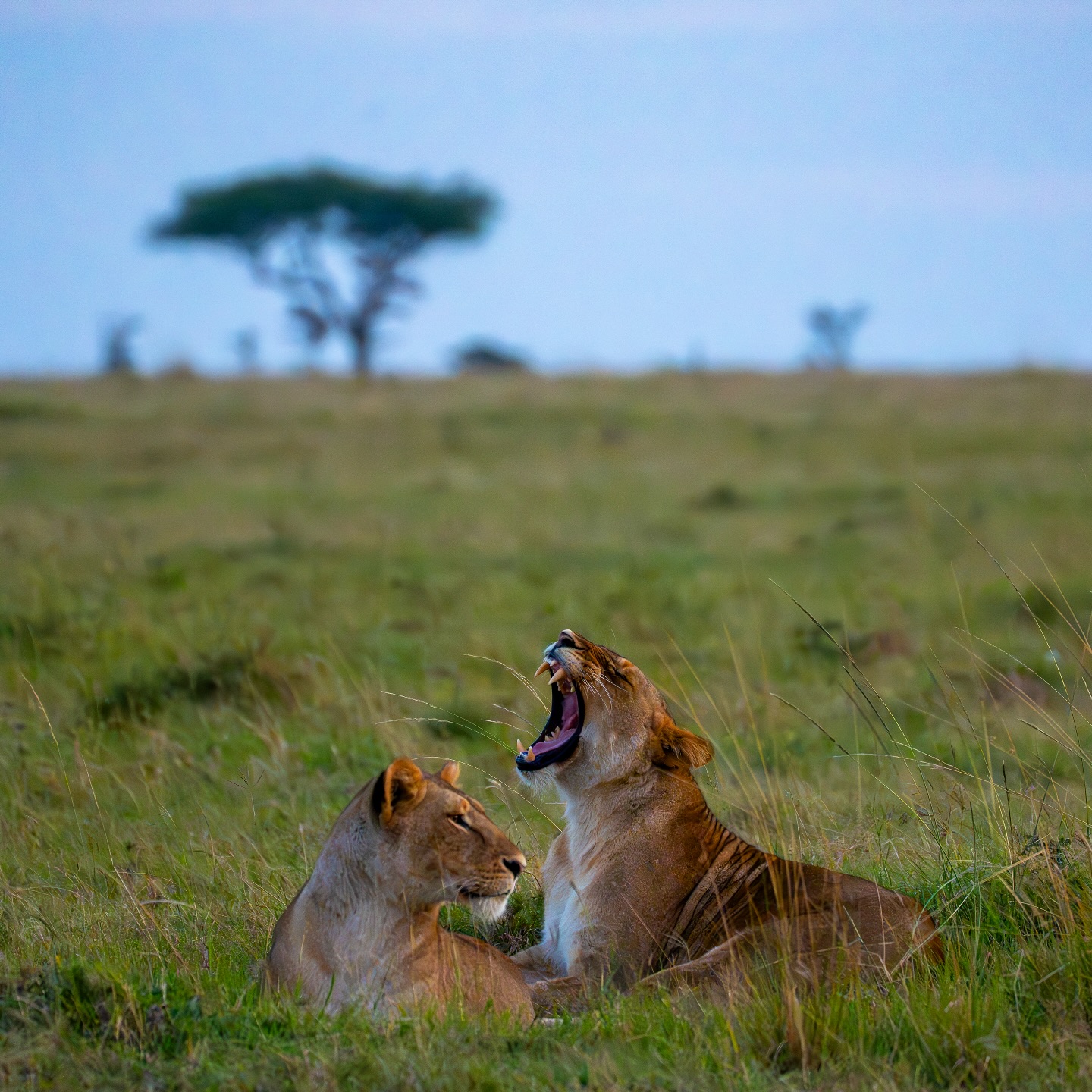
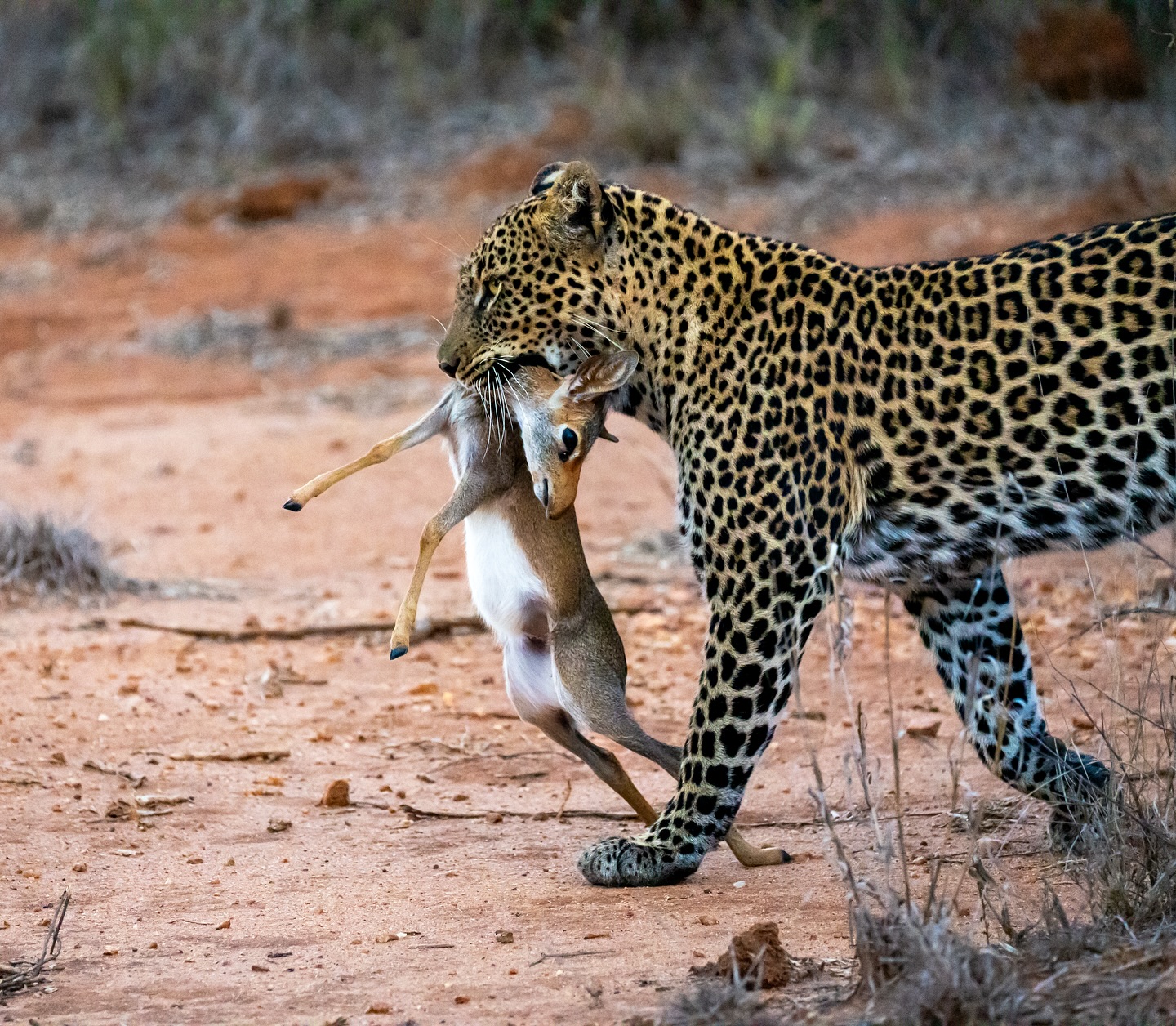
Akagera National Park represents Rwanda's only savanna park, offering visitors a classic and authentic African safari experience in the heart of East Africa. Spanning over 1,200 square kilometers of diverse and breathtaking landscapes, the park features rolling hills, expansive savanna plains, acacia woodlands, swamps, and the scenic Lake Ihema - one of the largest lakes in Rwanda. What makes Akagera truly special is that it is home to the complete Big Five - lions, elephants, buffalo, leopards, and rhinos - making it one of the most comprehensive and complete safari destinations in the entire region. The park's remarkable transformation from a depleted wildlife area to a thriving conservation success story is nothing short of inspiring. Following the devastating effects of the 1994 genocide, wildlife populations had been severely reduced, but through dedicated conservation efforts, Akagera has been restored to its former glory. The park has successfully reintroduced lions in 2015 (after a 15-year absence) and rhinos in 2017, both of which are now thriving and breeding successfully. Today, visitors can witness these magnificent predators in their natural habitat, along with large herds of elephants, graceful giraffes, zebras, antelopes, hippos, and crocodiles. The park boasts an incredible diversity of over 500 bird species, including many waterbirds, raptors, and migratory species, making it an absolute paradise for birdwatchers and ornithologists. Visitors can enjoy multiple safari experiences including early morning and afternoon game drives that offer the best wildlife viewing opportunities, boat safaris on Lake Ihema where hippos and crocodiles are commonly seen, and guided nature walks that provide intimate encounters with the park's smaller creatures and plant life. The park's varied ecosystems support different wildlife communities, from the open savannas where lions hunt to the papyrus swamps that shelter sitatunga antelopes. The conservation story here is ongoing and visitors can learn about the park's community-based conservation programs that have been instrumental in its success.