About Bwindi Impenetrable National Park
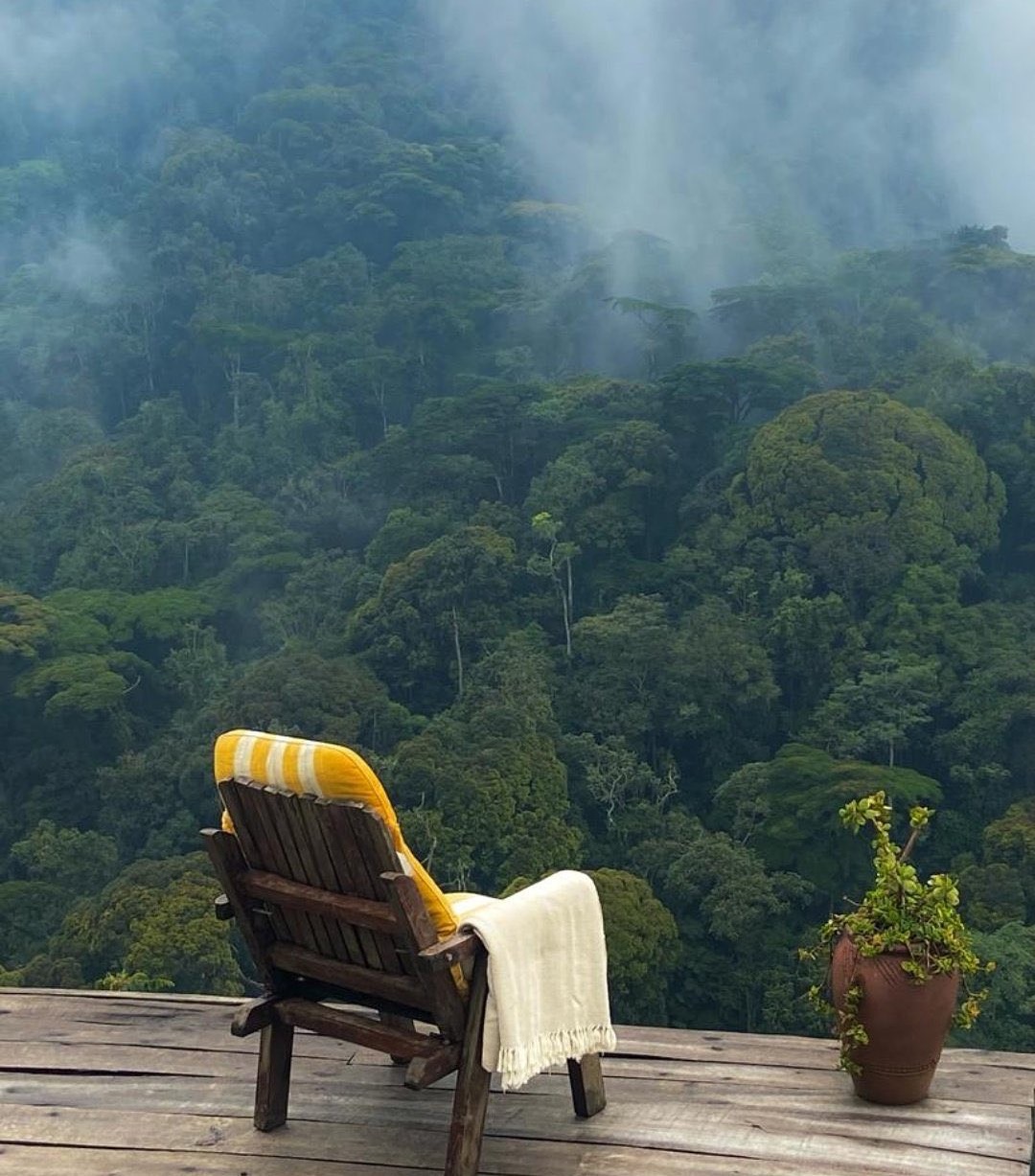
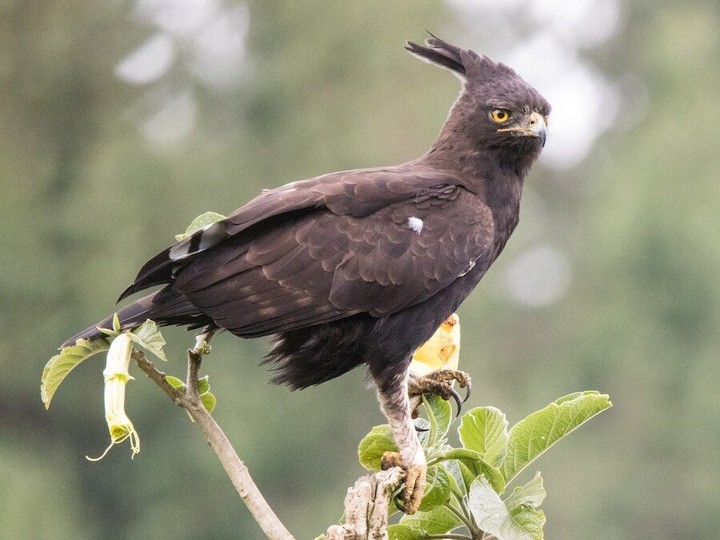
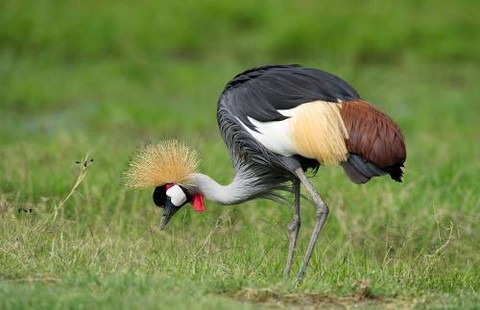
Bwindi Impenetrable National Park stands as a UNESCO World Heritage Site and is recognized as one of the most biodiverse places on Earth, a true treasure of African wilderness. This ancient rainforest, estimated to be over 25,000 years old and having survived multiple ice ages, covers 331 square kilometers of rugged, mountainous terrain in southwestern Uganda. The park's name "Bwindi" means "impenetrable" in the local language, perfectly describing its dense, tangled vegetation that creates a natural fortress protecting its incredible biodiversity. What makes Bwindi truly extraordinary is that it is home to approximately half of the world's remaining mountain gorillas, with 19 habituated gorilla families available for trekking, making it the single most important location for gorilla conservation on the planet. The gorilla trekking experience here is physically demanding but immensely rewarding, as visitors navigate through steep, misty slopes and dense undergrowth to reach these magnificent primates. Each encounter is unique and intimate, lasting up to one hour, allowing for close observation of gorilla behavior, family interactions, and the playful antics of young gorillas. Beyond the gorillas, Bwindi is a biodiversity hotspot hosting over 120 mammal species including forest elephants, buffalo, various antelope species, and numerous primates. The park is a birdwatcher's paradise with over 350 bird species, including 23 Albertine Rift endemics found nowhere else. The forest is also home to over 200 butterfly species, creating a kaleidoscope of color throughout the year. Visitors can enjoy guided nature walks that reveal the forest's secrets - from ancient trees to medicinal plants, from crystal-clear streams to hidden waterfalls. Perhaps one of the most unique experiences is cultural encounters with the local Batwa pygmy communities, the original inhabitants of this forest. These encounters provide insights into traditional forest-dwelling lifestyles, hunting techniques, and the deep spiritual connection these people have with the forest. The park's conservation success is a testament to community involvement and sustainable tourism practices.