About Queen Elizabeth National Park
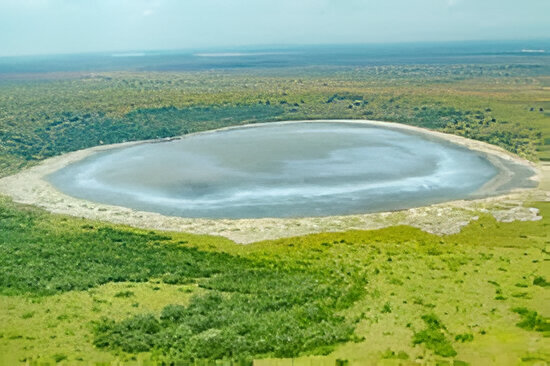
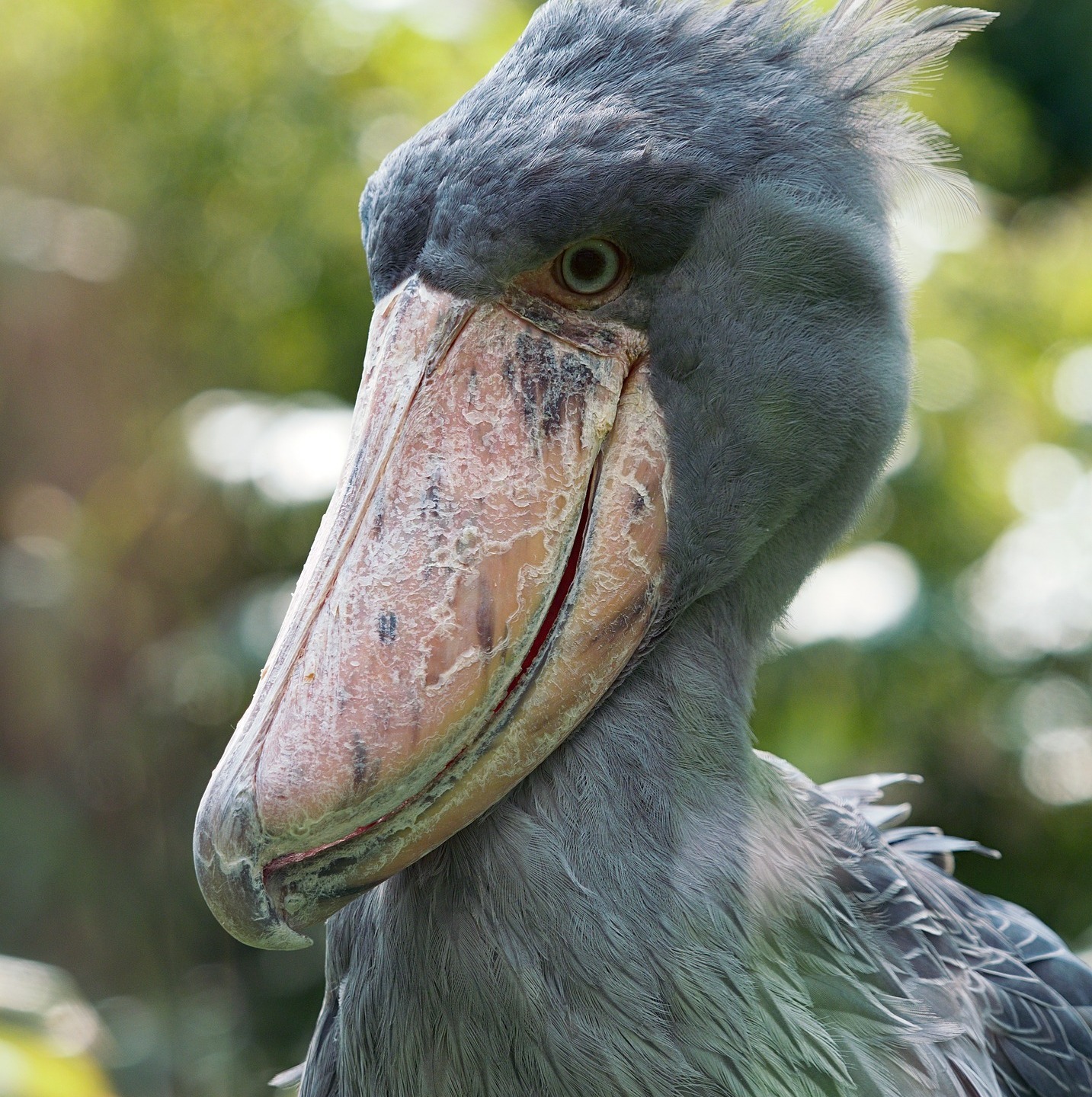
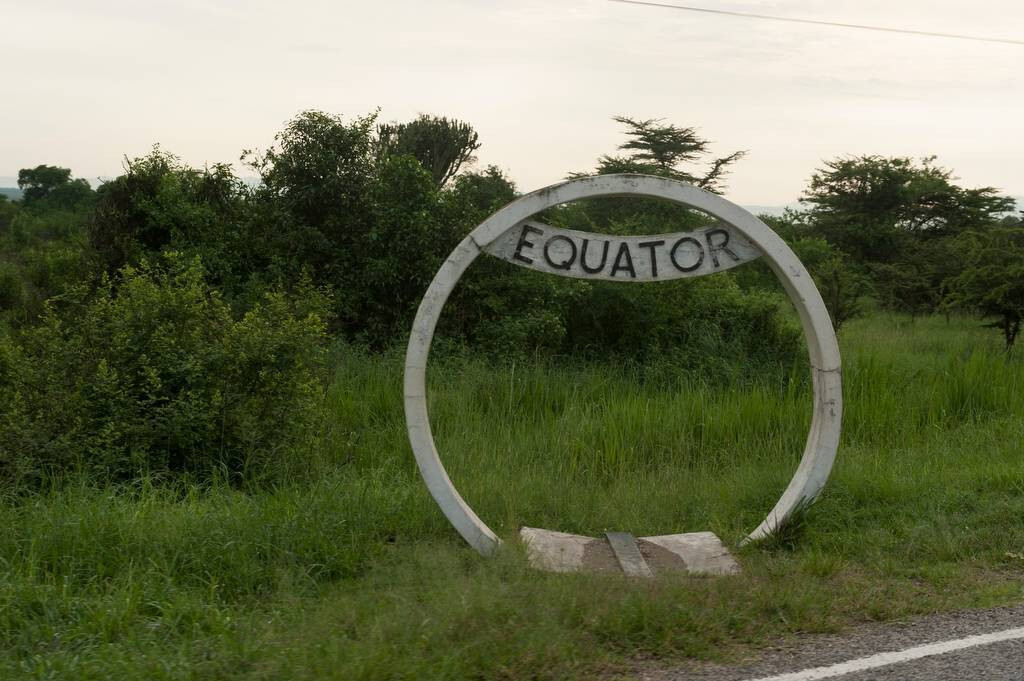
Queen Elizabeth National Park stands as Uganda's most popular and ecologically diverse national park, covering an impressive 1,978 square kilometers of varied and stunning ecosystems including open savannas, dense forests, wetlands, crater lakes, and the magnificent Kazinga Channel. The park's fame is well-deserved, particularly for its unique tree-climbing lions in the Ishasha sector - a rare and fascinating behavior observed in only two places in all of Africa. Watching these magnificent predators lounging in the branches of fig trees is a truly unforgettable sight and a photographer's dream. The Kazinga Channel, a 40-kilometer natural waterway connecting Lake George and Lake Edward, is one of Africa's greatest wildlife spectacles, where visitors can witness enormous concentrations of hippos (one of the largest populations in Africa), elephants, buffalo, and countless waterbirds all in one place. Boat cruises along this channel offer some of the most reliable and spectacular wildlife viewing on the continent. The park boasts an incredible diversity of over 600 bird species, making it one of the absolute best bird-watching destinations in all of Africa, with species ranging from the majestic African fish eagle to tiny sunbirds, from massive shoebills to colorful bee-eaters. Beyond the savanna experiences, visitors can enjoy chimpanzee tracking in the beautiful Kyambura Gorge, a lush forested valley that cuts through the savanna, creating a unique ecosystem where primates thrive. The park is also famous for its crater lakes, formed by ancient volcanic activity, which now provide stunning scenic beauty and support unique ecosystems. Game drives through the park reveal diverse wildlife including elephants, lions, leopards, hyenas, various antelope species, and if you're lucky, the elusive leopard. The park's diverse landscapes - from the open plains of Kasenyi to the forested Maramagambo to the salt lakes of Katwe - each support different wildlife communities, making every drive an adventure. The park's location along the equator adds to its appeal, and visitors can actually stand with one foot in each hemisphere.